-
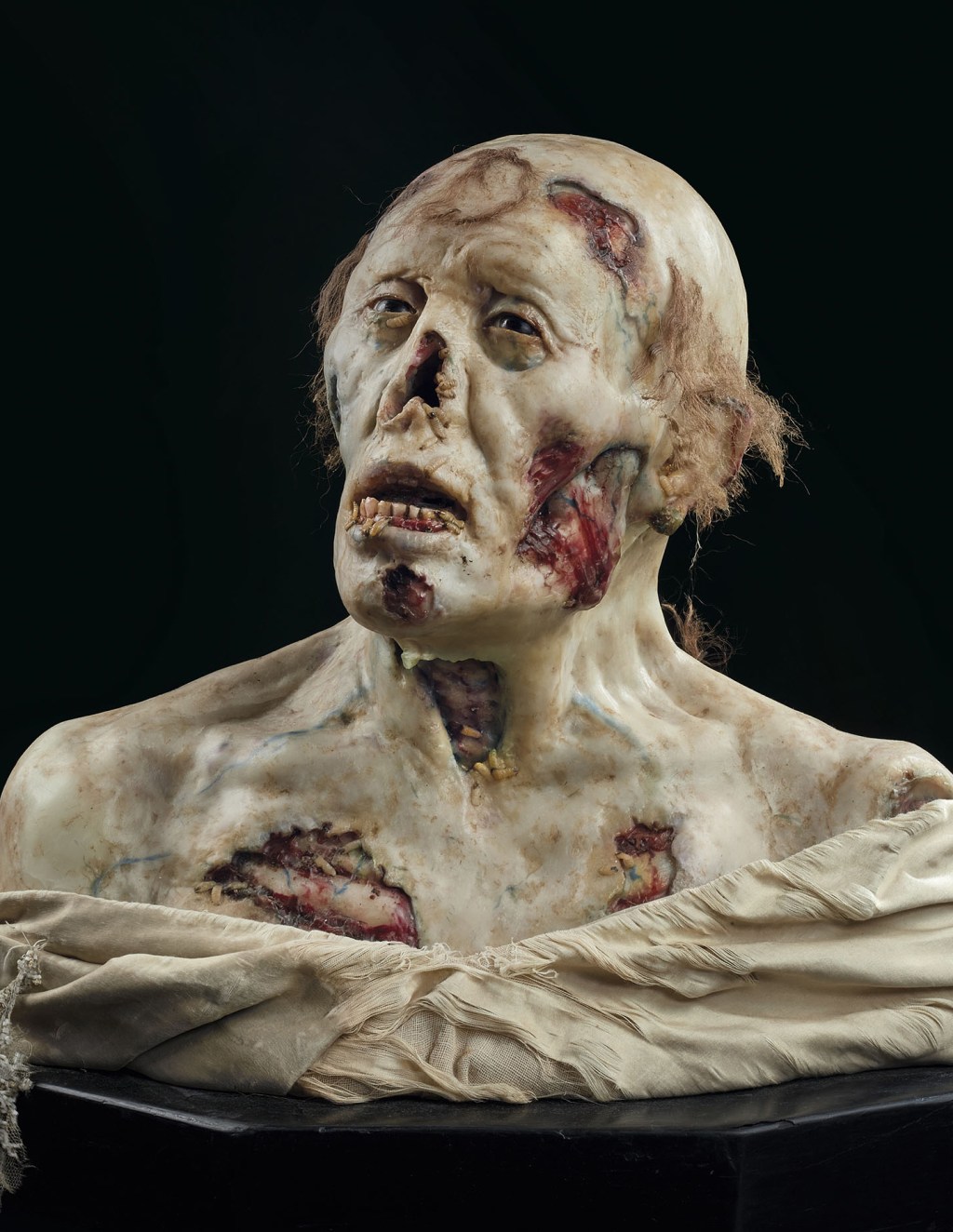
A Master of the Macabre: Defining the Scandalosa Master
Building upon the legacy of Gaetano Giulio Zumbo, this paper identifies the “Scandalosa Master” as a definitive ceroplast artist and specialized institutional operative functioning within the spiritual and clinical machinery of eighteenth-century Naples. By synthesizing a localized, “liquefactive” verismo with the moralizing rhetoric of the Bianchi della Giustizia, the Master’s oeuvre transcends mere anatomical study…
-
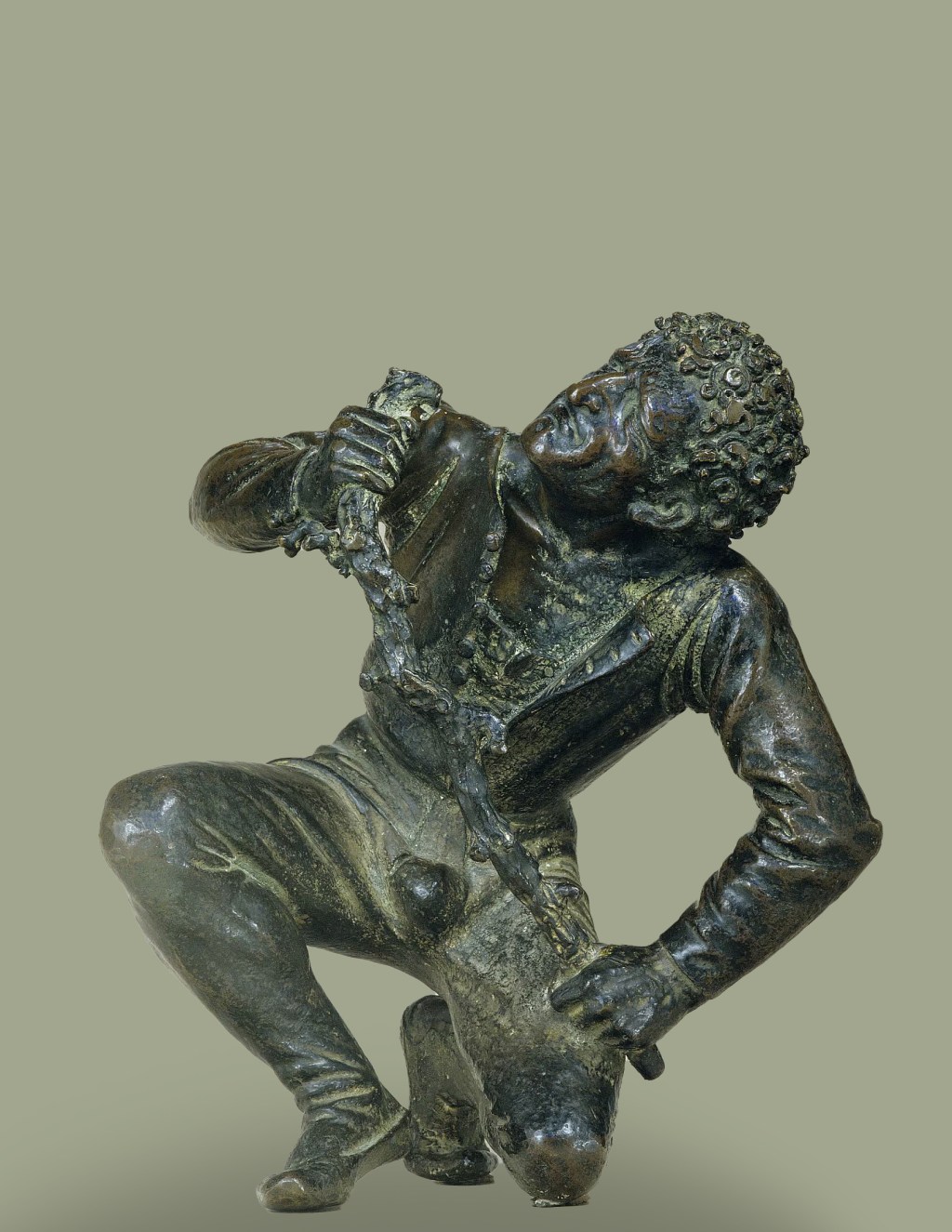
The Branch-Breaker as Civic Allegory: Craft Solidarity and the Memory of Volero Publilius in Late Fifteenth-Century Nuremberg
This paper identifies the bronze Branch-Breaker (c. 1490) as a subversive masterwork of “integral labor” that encodes the repressed memory of Nuremberg’s 1348 Craft Revolt within the classical humanist framework of Volero Publilius’s defiance. By synthesizing Livy’s Roman Republicanism with the technical solidarity of Adam Kraft and Peter Vischer the Elder, the sculpture serves as…
-
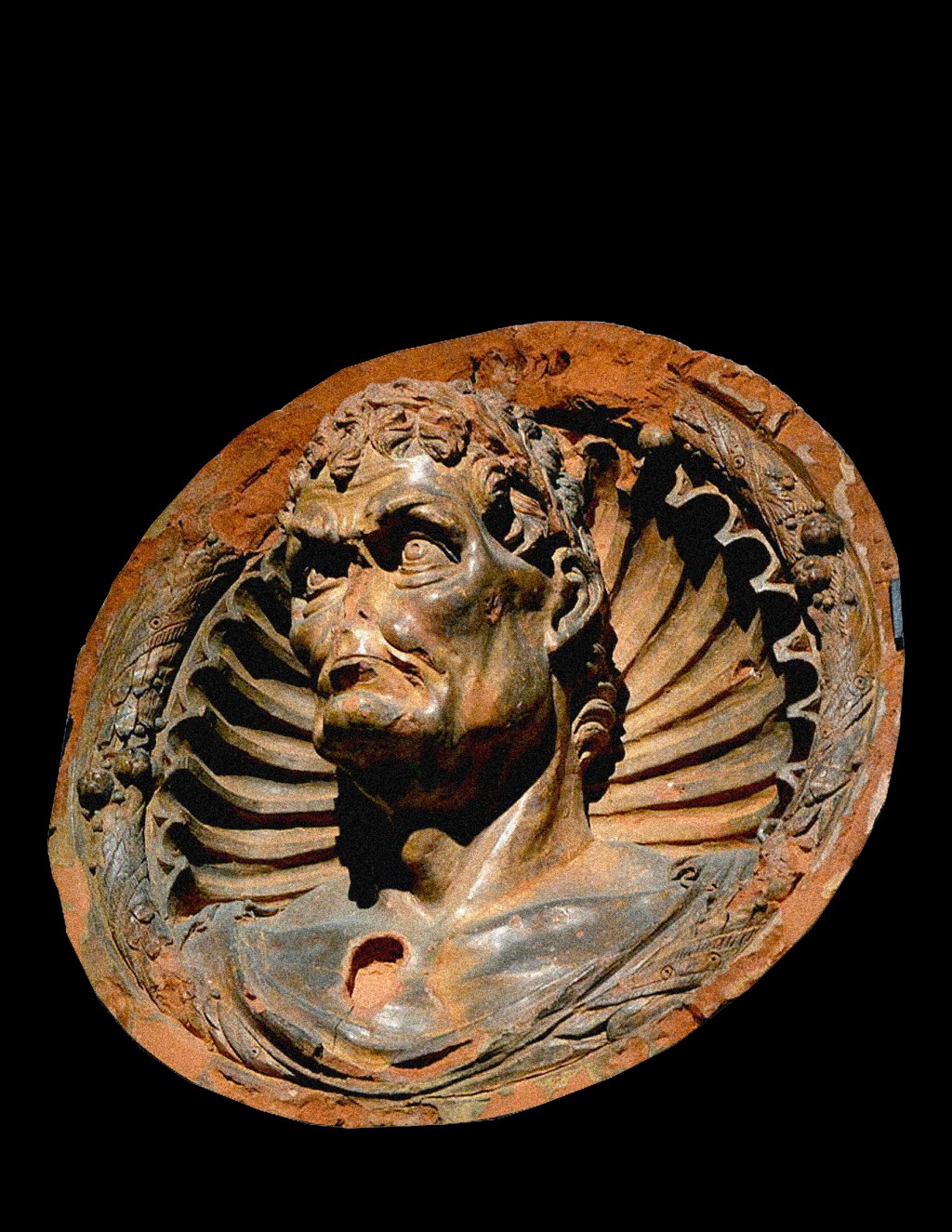
New Considerations on the Terracotta Tondi of Milan’s Medici Bank
This study re-examines the contextual origins of Milan’s Medici Bank terracotta busts, presenting an analysis that points to Giovanni Battaggio as a possible author.
-
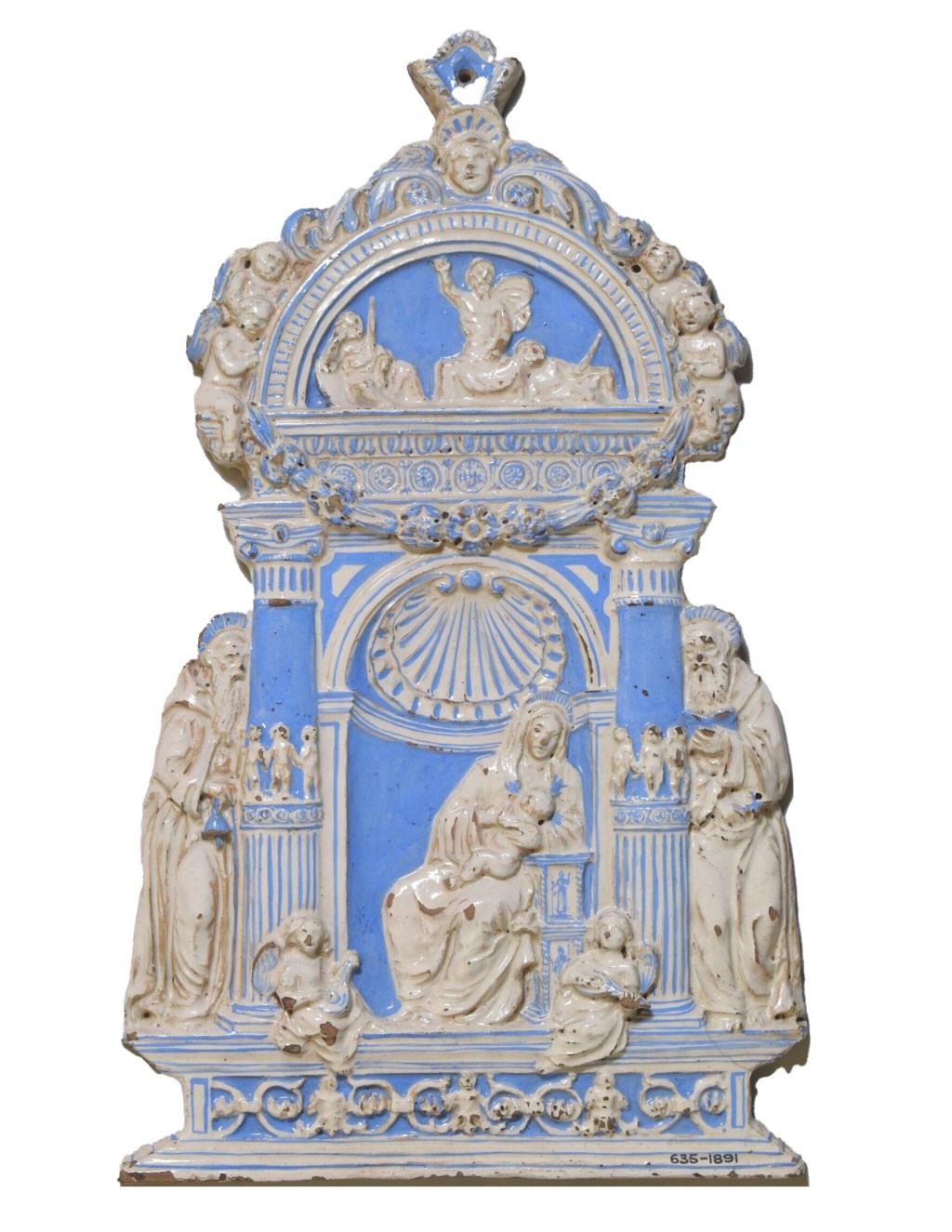
Late 19th Century Maiolica Plaques after Renaissance Pax Prototypes
A brief study of paxes and plaquettes and their reproduction in maiolica relief.
-

Reapproaching the Coriolanus Master
An exploration of the stylistic nuances, thematic content, potential influences, and historical context of the artist dubbed Master of Coriolanus, herein judged to be a workshop assistant of Moderno while active in Venice during the first decade of the 16th century.
-

Supplementary Notes on Michelangelo’s Crucifix for Vittoria Colonna and the rediscovery of a Crucifix by Michelangelo brought to Spain by Juan Bautista Franconio
Comparative evidence is presented in support of a rediscovered crucifix by Michelangelo, brought from Rome to Seville in 1597. Also discussed is the alloy analysis of this crucifix which points to the theorized presence of Michelangelo’s original model being retained in the successive workshops of Guglielmo della Porta and Bastiano Torrigiani. Further elaborations are presented…
-

Giuliano di Scipio – The all’Antica Plaquette and new ideas concerning the Martelli Mirror
A study on the Renaissance gem engraver, Giuliano di Scipio: the patronage he received from Pope Paul II and Cardinal Francesco Gonzaga; his ties to the illuminator-miniaturist Gaspare da Padua; his involvement in the origins of bronze plaquettes; and his passive involvement in the design of the Martelli Mirror. Also elaborated is the Mantuan context…
-

Antonio Gentili da Faenza: Roman Goldsmith of the Renaissance, his comprehensive works
A comprehensive exploration of the life and work of the Roman Renaissance goldsmith, Antonio Gentili. Presented are new discoveries, a detailed analysis of his work and an overarching picture of the relationships emanating from the school of Guglielmo della Porta. Also discussed are the interactions with patrons and new data concerning the work of the…
-
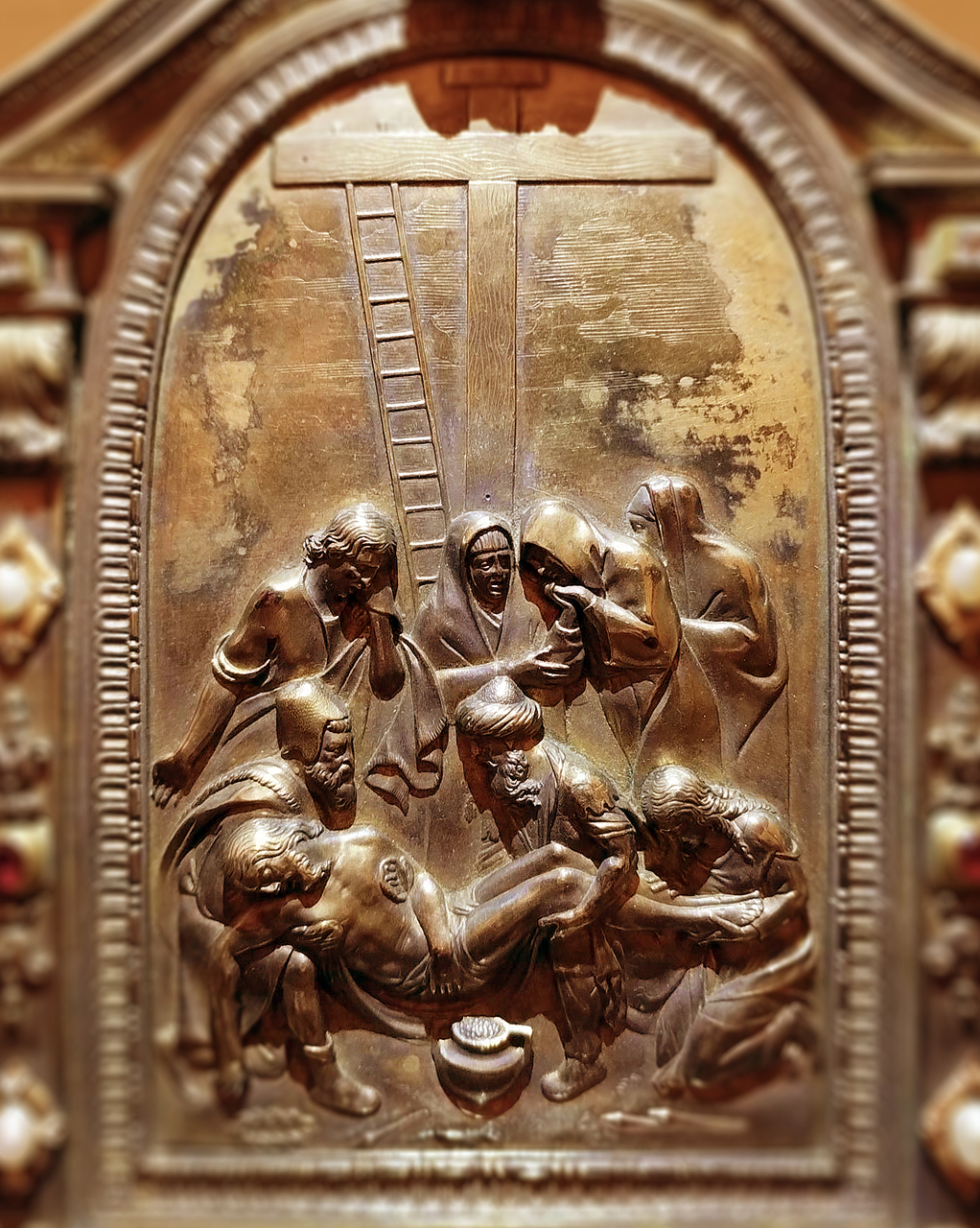
Giovan Battista Scultori as a Silversmith and the Paternity and Seriality of his Lamentation over the dead Christ
A detailed analysis of the various examples of Giovanni Battista Scultori’s Lamentation relief and his work as a silversmith and sculptor.
-

A possible boxwood crucifix by Matthieu van Beveren or his atelier
An art market crucifix may be the possible work of the Baroque Antwerp sculptor, Matthieu van Beveren
-

The Battle of Cannae medal – A German-Italian crossover?
A medal depicting the Battle of Cannae could be the work of a German journeyman, possibly Hermann Vischer the Younger of Nuremberg, appropriating a composition by Moderno.
-
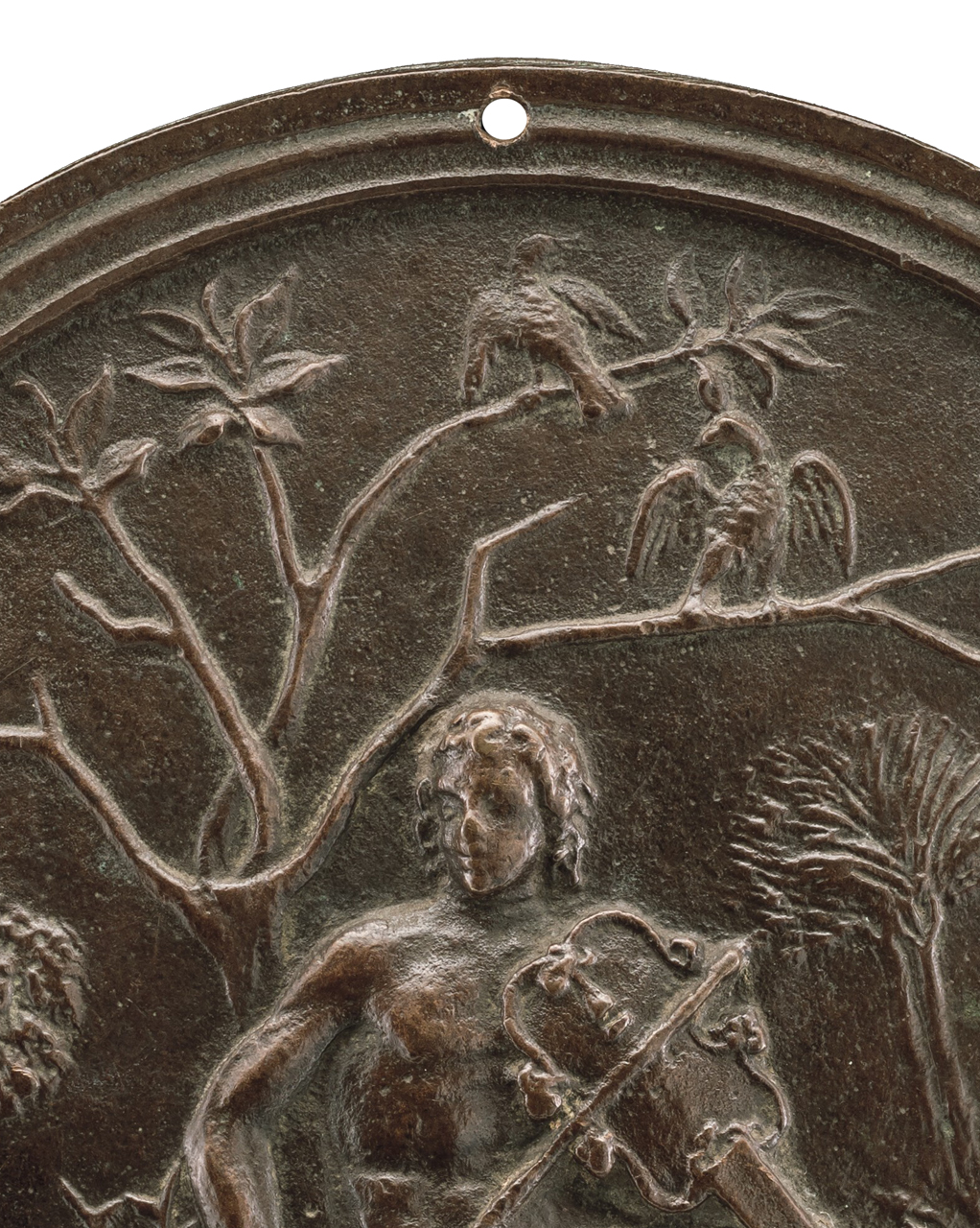
Proposing Matteo del Nassaro as the Master of the Orpheus and Arion Roundels
Speculation concerning the possibility that musician, gem-engraver and goldsmith, Matteo del Nassaro, could be responsible for a series of bronze roundels depicting Orpheus and Arion while active in the studio of Galeazzo Mondella, called Moderno.
-

A Context for the Corn-Ear Master’s Virgin and Child and Imago Pietatis
Observations concerning two plaquettes attributed to the Corn-Ear Master reinforce Jeremy Warren’s idea that they were used as book covers. Additional speculation is given to this artist’s presumed activity in Mantua and possibly also in Milan.
-

Moderno & Associated Makers – A partnership between Galeazzo Mondella’s son and nephews
Recently discovered documents indicate Moderno’s son and nephews established a business partnership shortly after Moderno’s death, perhaps responsible for the continued perpetuation of Moderno’s plaquettes throughout Lombardy.
-
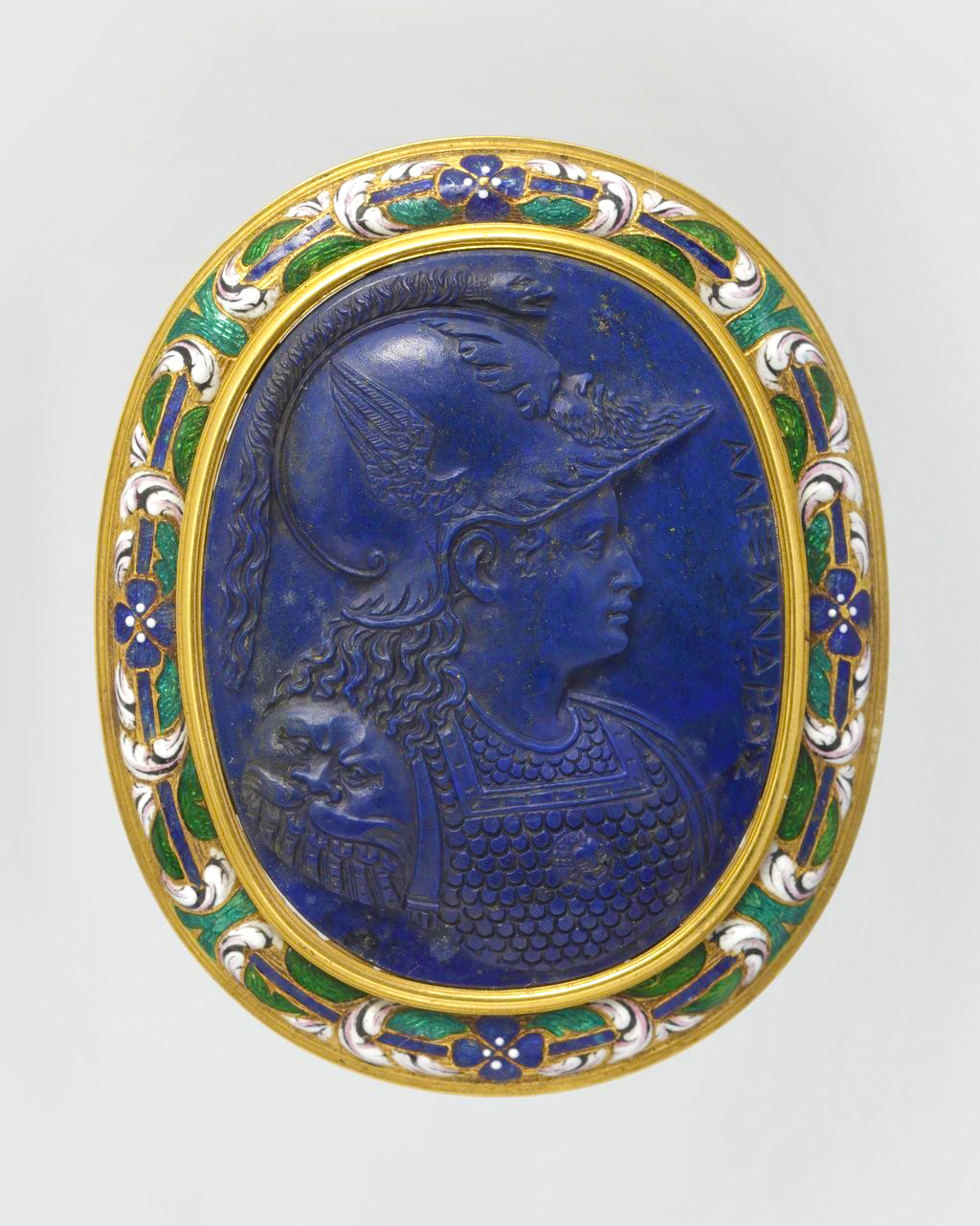
Toward an opus of Niccoló Avanzi, gem engraver of the late Quattrocento and early Cinquecento
An anonymous cameo in the Cabinet of Medals (Paris) might be a scarce survival of Niccoló Avanzi’s workmanship, praised briefly in Vasari’s 1568 edition of the ‘Lives of the Artists,’ and a plaquette depicting the Adoration might theoretically preserve one of his lost works.
-
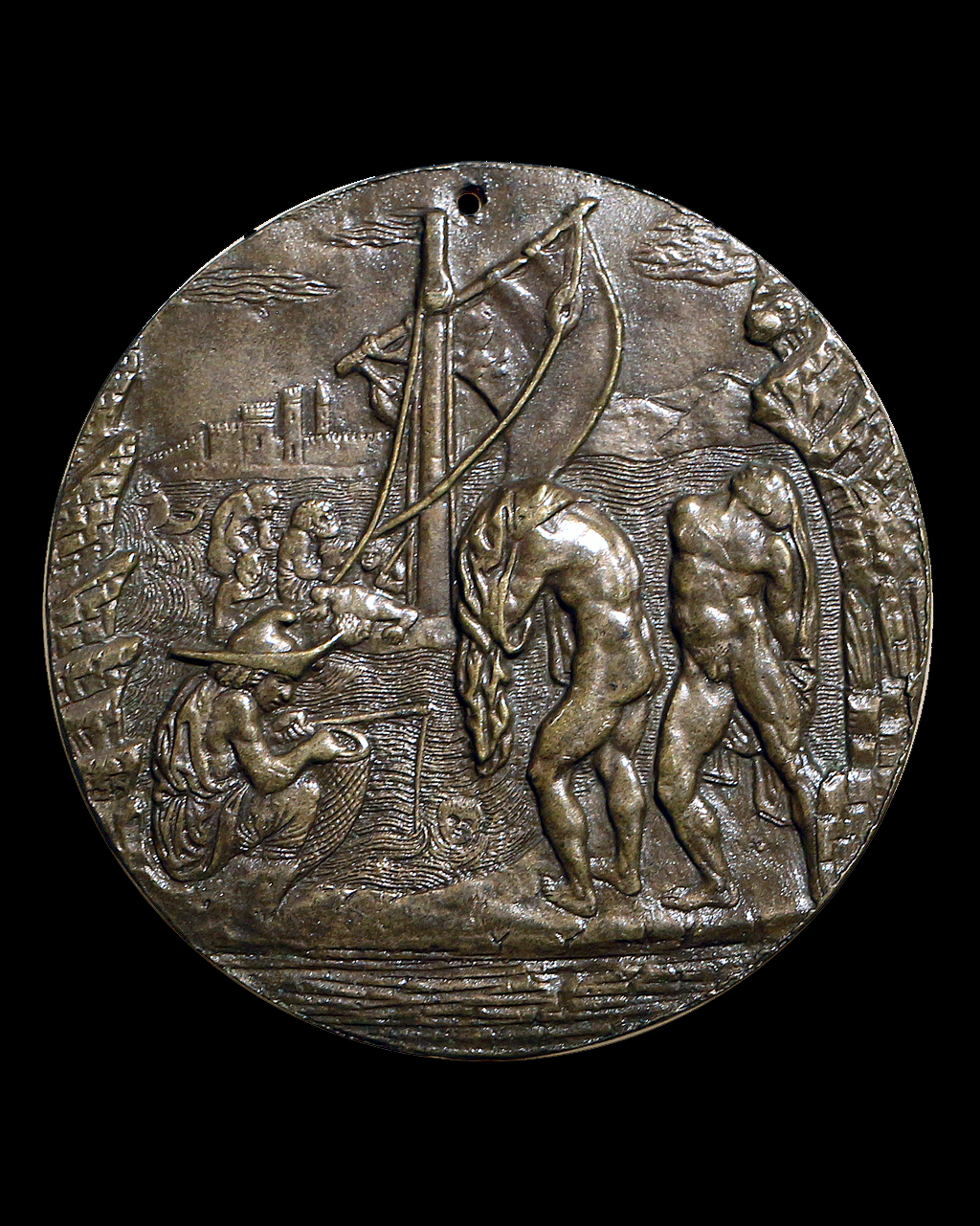
Identifying a relief scene by Cristoforo Foppa, called Caradosso
The subject of a confounding plaquette attributed to Caradosso is suggested as representing a scene of Pearl Fishing.
-
Subscribe
Subscribed
Already have a WordPress.com account? Log in now.
 Renaissance Bronze