-

A possible boxwood crucifix by Matthieu van Beveren or his atelier
An art market crucifix may be the possible work of the Baroque Antwerp sculptor, Matthieu van Beveren
-

The Battle of Cannae medal – A German-Italian crossover?
A medal depicting the Battle of Cannae could be the work of a German journeyman, possibly Hermann Vischer the Younger of Nuremberg, appropriating a composition by Moderno.
-
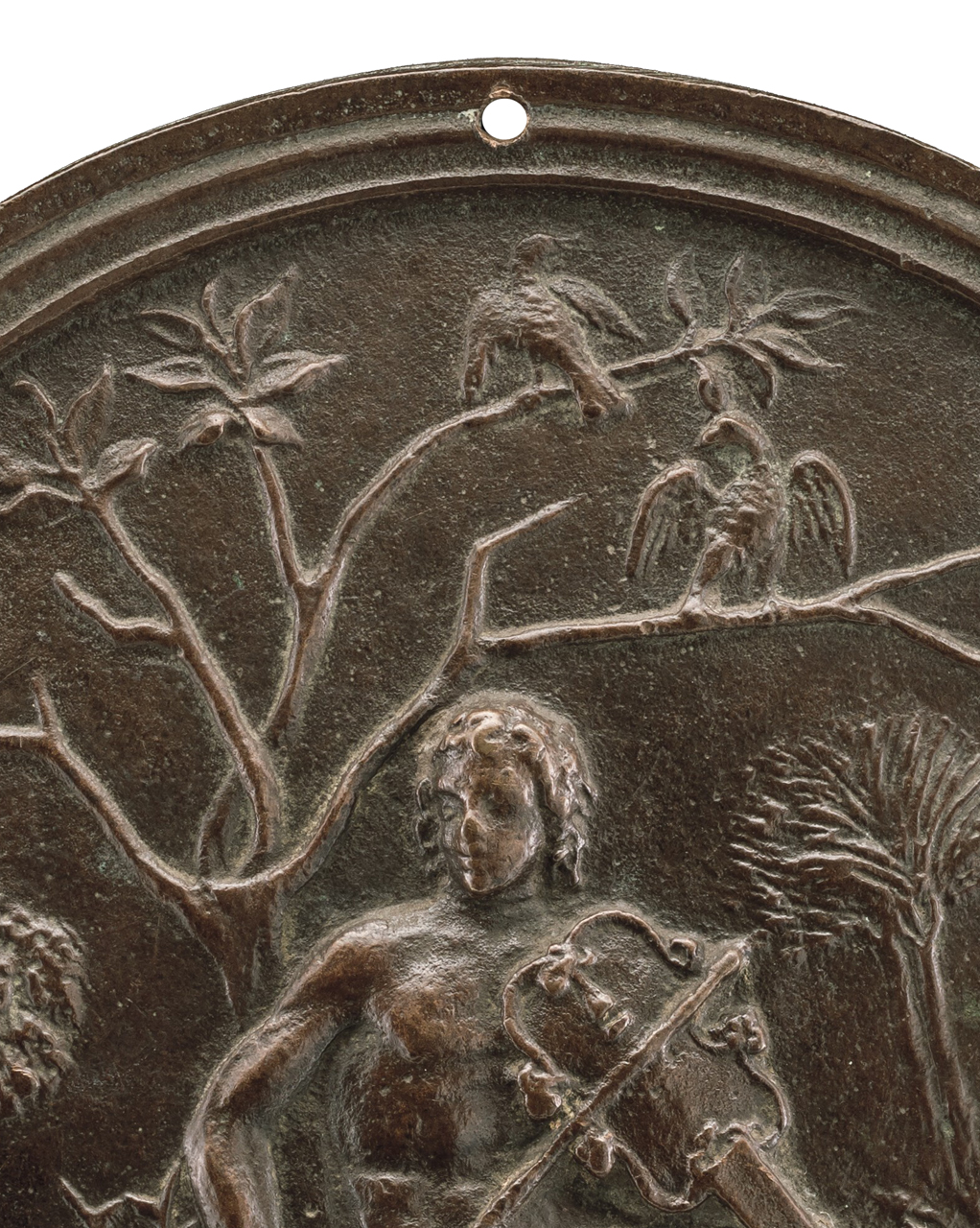
Proposing Matteo del Nassaro as the Master of the Orpheus and Arion Roundels
Speculation concerning the possibility that musician, gem-engraver and goldsmith, Matteo del Nassaro, could be responsible for a series of bronze roundels depicting Orpheus and Arion while active in the studio of Galeazzo Mondella, called Moderno.
-

A Context for the Corn-Ear Master’s Virgin and Child and Imago Pietatis
Observations concerning two plaquettes attributed to the Corn-Ear Master reinforce Jeremy Warren’s idea that they were used as book covers. Additional speculation is given to this artist’s presumed activity in Mantua and possibly also in Milan.
-

Moderno & Associated Makers – A partnership between Galeazzo Mondella’s son and nephews
Recently discovered documents indicate Moderno’s son and nephews established a business partnership shortly after Moderno’s death, perhaps responsible for the continued perpetuation of Moderno’s plaquettes throughout Lombardy.
-
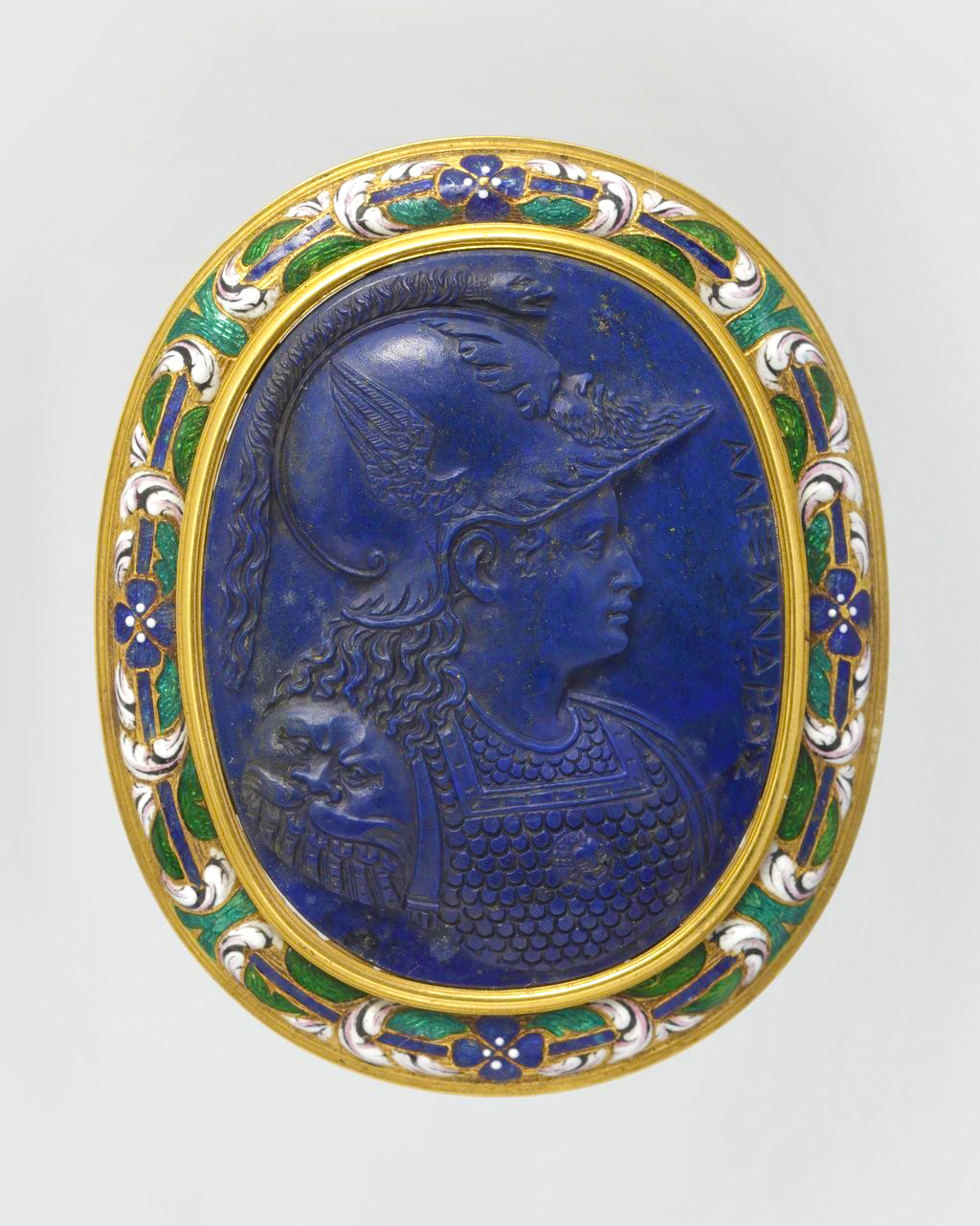
Toward an opus of Niccoló Avanzi, gem engraver of the late Quattrocento and early Cinquecento
An anonymous cameo in the Cabinet of Medals (Paris) might be a scarce survival of Niccoló Avanzi’s workmanship, praised briefly in Vasari’s 1568 edition of the ‘Lives of the Artists,’ and a plaquette depicting the Adoration might theoretically preserve one of his lost works.
-
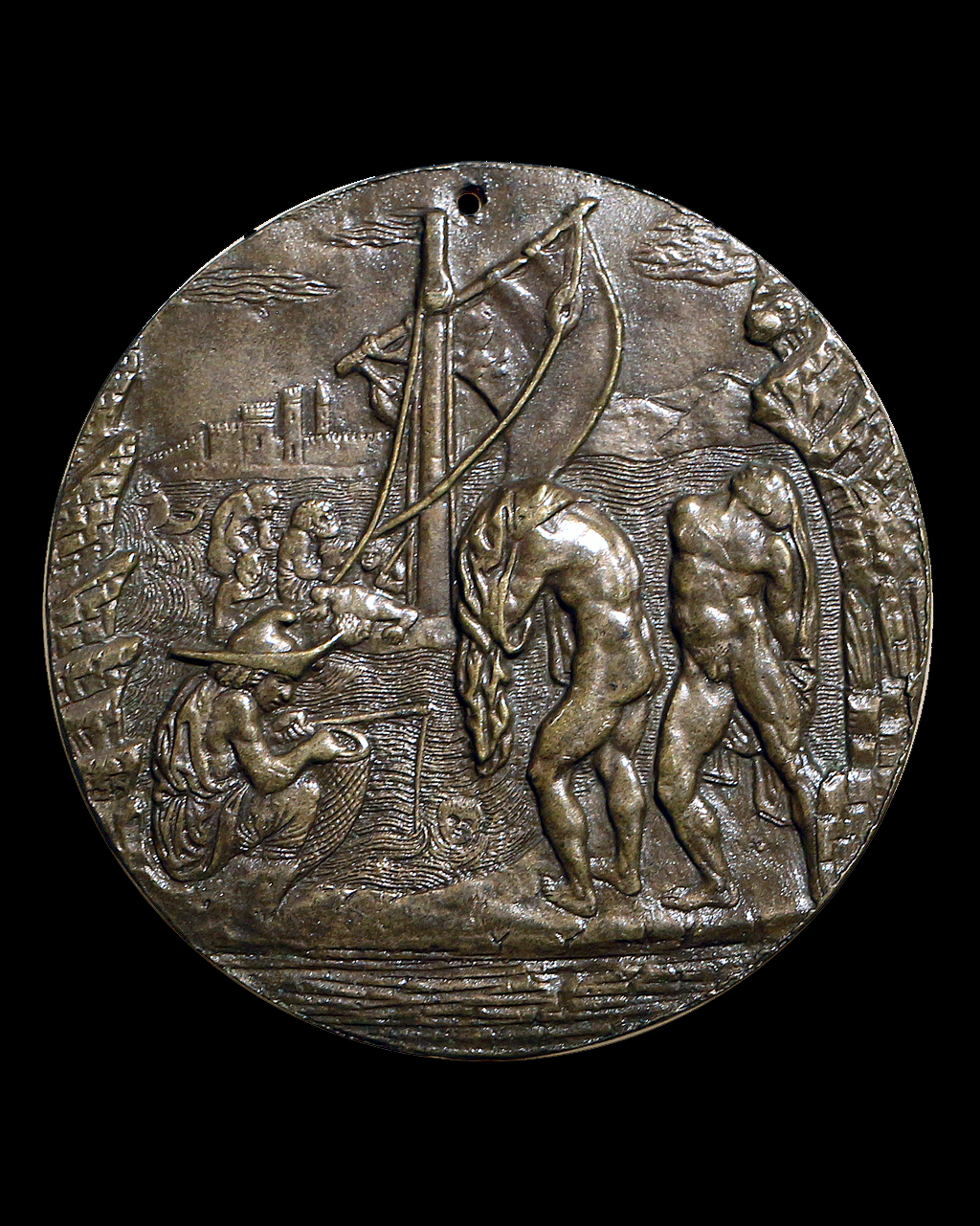
Identifying a relief scene by Cristoforo Foppa, called Caradosso
The subject of a confounding plaquette attributed to Caradosso is suggested as representing a scene of Pearl Fishing.
-
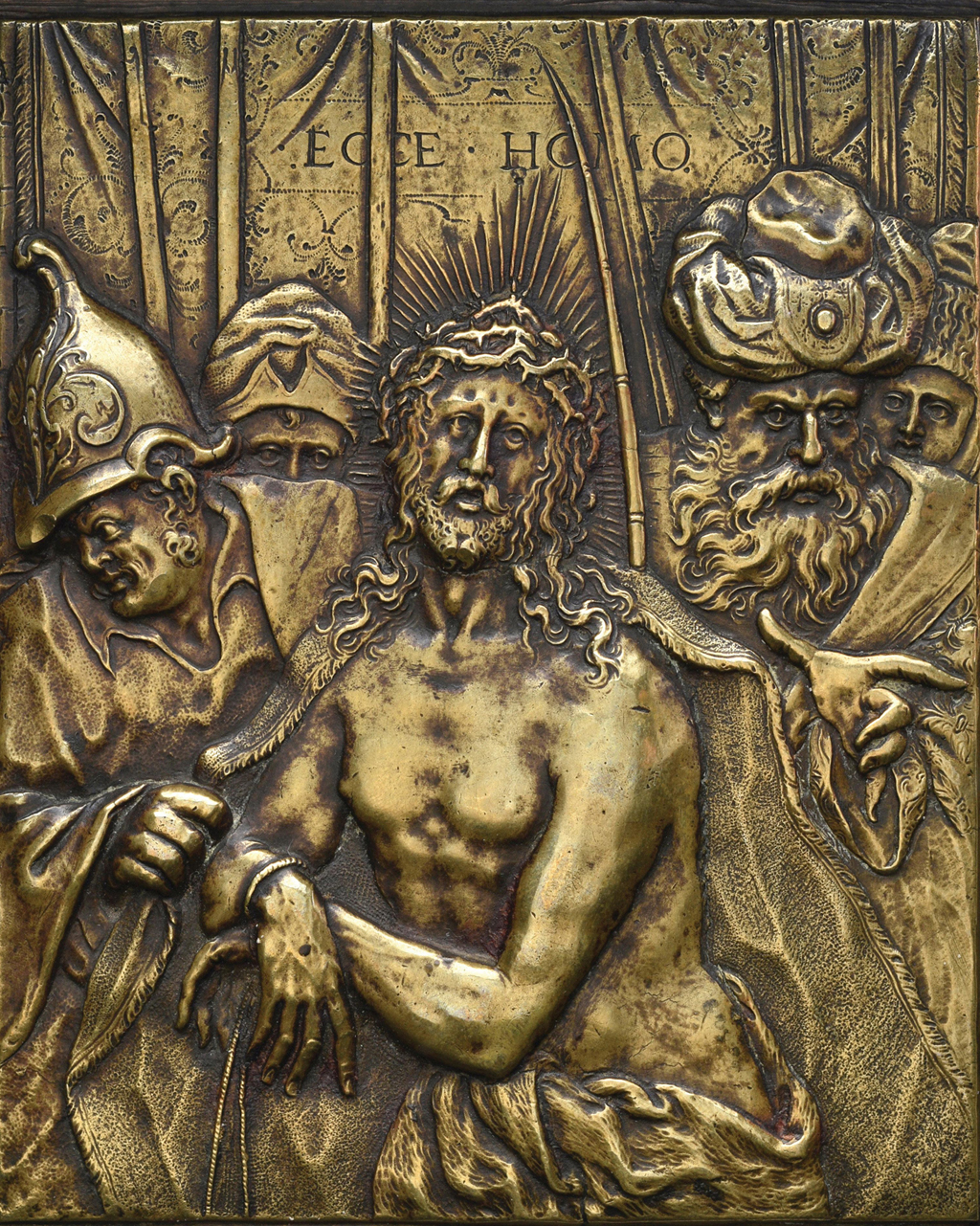
Commentary on the sale of Alain Edrei’s Collection
The sale of Alain Edrei’s collection of Renaissance plaquettes and paxes is one of the few major sales of its type during the 21st century thus far.
-
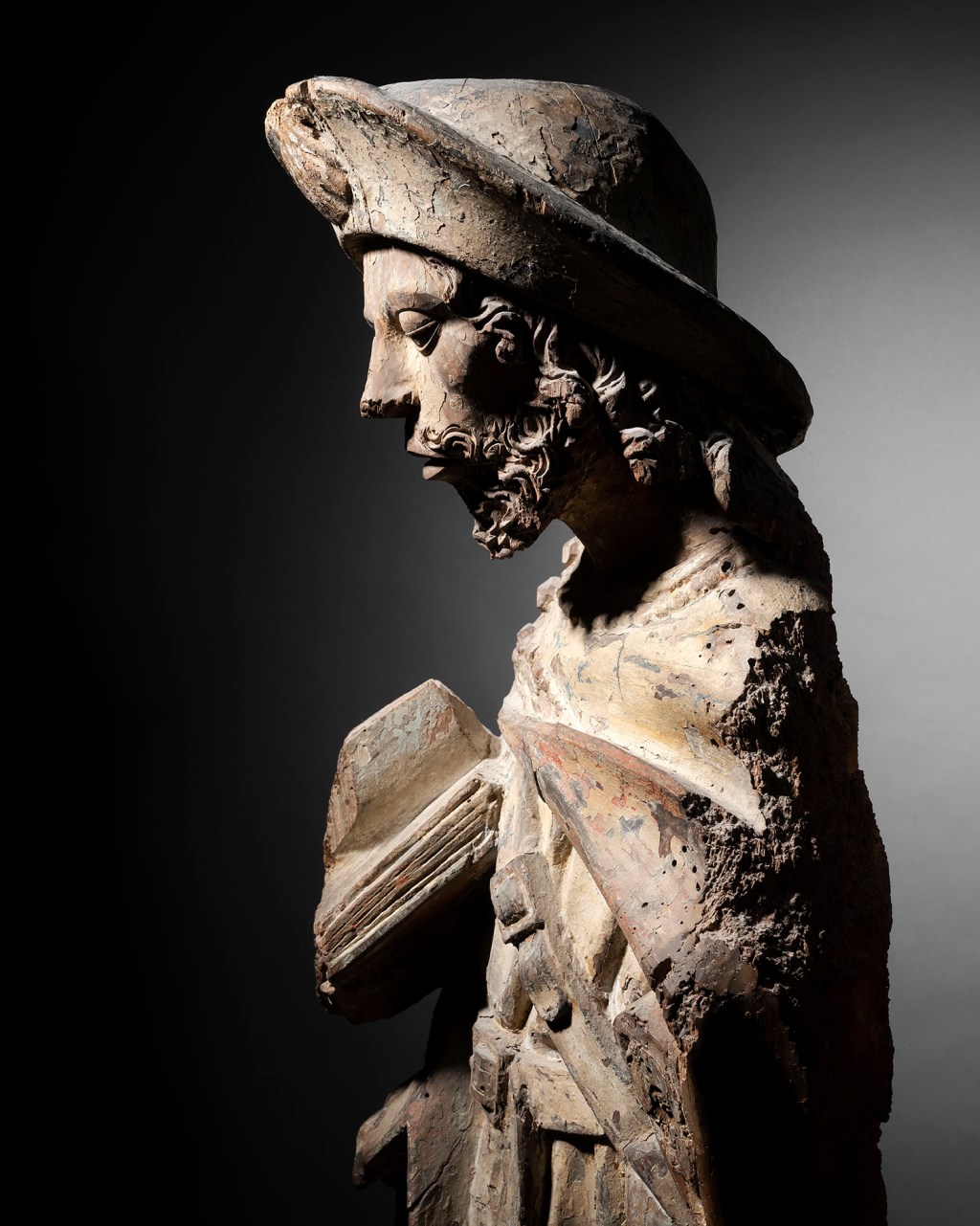
In search of a Master Sculptor between the Loire Valley and Iberia: in the sphere of Lorenzo Mercadante de Bretaña
A curious suite of independent sculptures in the art market point to a single artist whose activity must reside somewhere between Gothic Northern France and Iberia.
-

Renaissance painted enamels and their feature in devotional paxes: insights, ideas and observations
A survey of Renaissance painted enamels set within devotional pax frames yields ideas concerning certain enamel works-of-art, their maker’s relationship with patrons and other trades as well as certain reconsiderations concerning authorship and location. Observations concerning the presence of forgeries and pastiches are additionally discussed.
-

Donatello, the birth of Renaissance Plaquettes and their representation in the Berlin sculpture collection
Wilhelm von Bode’s spirit of acquisition in turn-of-the-century Berlin would result in forming a significant and comprehensive collection of Donatelloesque plaquettes, here explored for their function and influence in the genesis of plaquettes as a genre of sculpture.
-

Head of Christ – Fragment of a Compianto
A Florentine Head of Christ is possibly the work of Giovanni da Maiano
-

A Johannes-schüssel by Bernt Notke
A Johannes-schüssel or Head of John the Baptist here ascribed to Bernt Notke or his workshop.
-

A Christ of Agony by Caspicara
A crucifix previously kept within a Parisan presbytery is here identified as the work of Manuel Chili, called Caspicara.
-

Metalwork in the ambit of Raphael
Toward an opus of Antonio di Paolo Fabbri, called Antonio da San Marino and a Lamentation by Cesarino di Francesco del Roscetto, called Cesarino da Perugia.
-
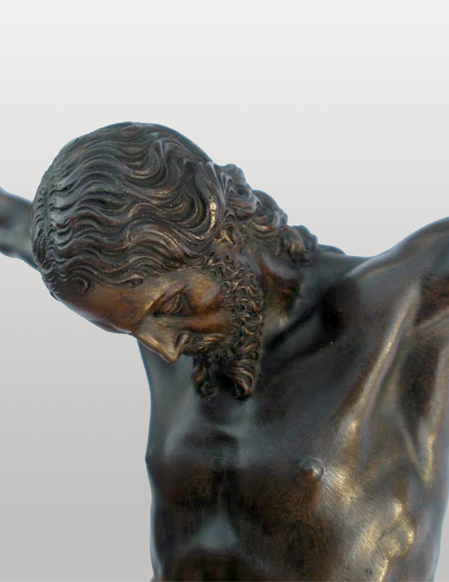
Michelangelo’s Crucifix for Vittoria Colonna
A devotional crucifix, whose model is believed to be the work of Michelangelo, is known preserved by a minority of casts in silver and bronze, the finest of which, is examined here. The crucifix is here suggested as made for Michelangelo’s friend, Vittoria Colonna, as a private gift or possible commission. A census of casts…
-
Subscribe
Subscribed
Already have a WordPress.com account? Log in now.
 Renaissance Bronze