-
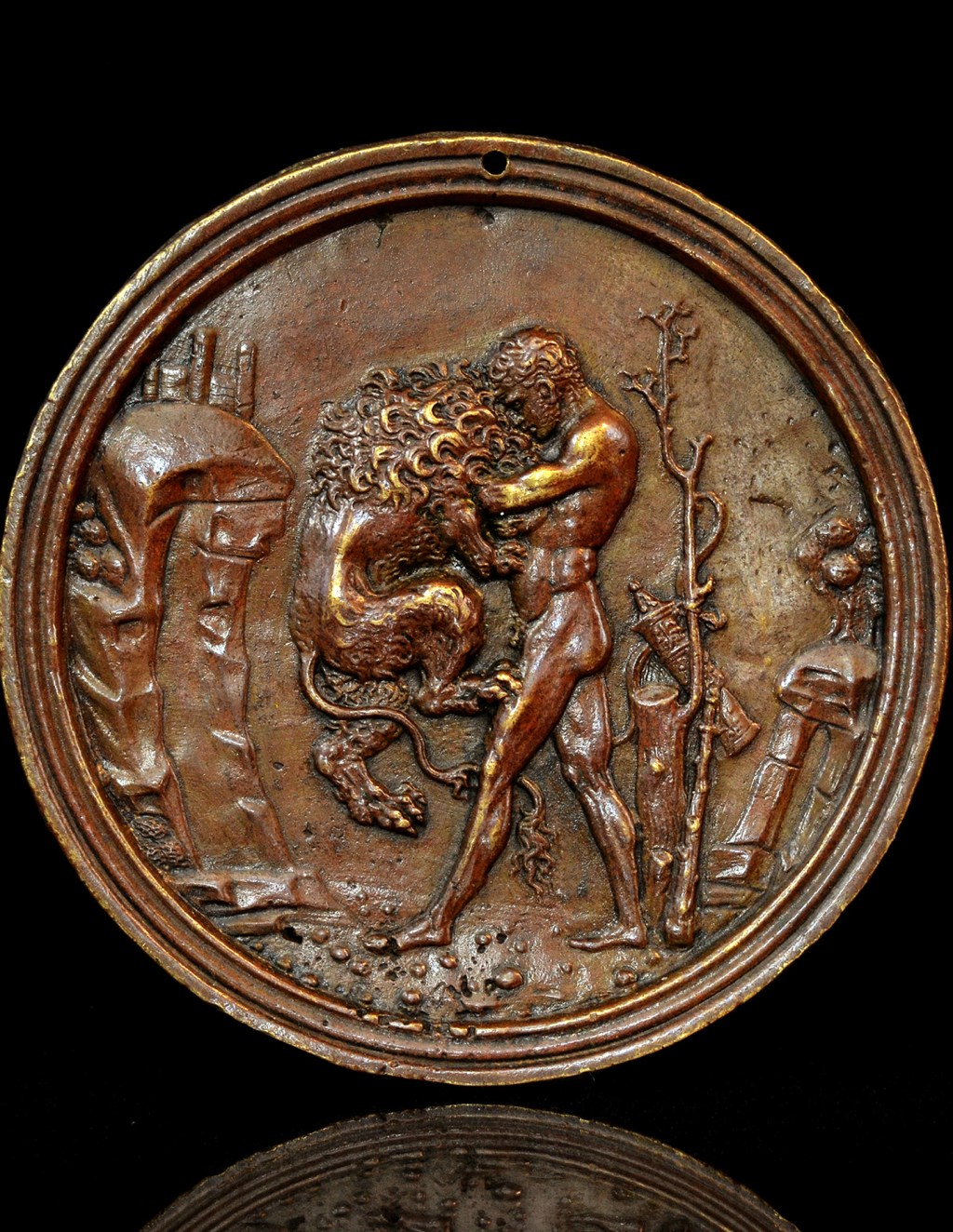
MODERNO – the immortal brand of a renaissance goldsmith
This first monograph on Galeazzo Mondella (Moderno) redefines the Renaissance goldsmith through a tripartite methodology of archival research, stylistic critique, and technical analysis. Moving beyond traditional catalogues, the book reconstructs the Mondella workshop’s mercantile reality, identifies the artist’s hand across diverse media, and explores the “haptic Renaissance” of talismanic bronze objects. By dismantling anonymous master…
-
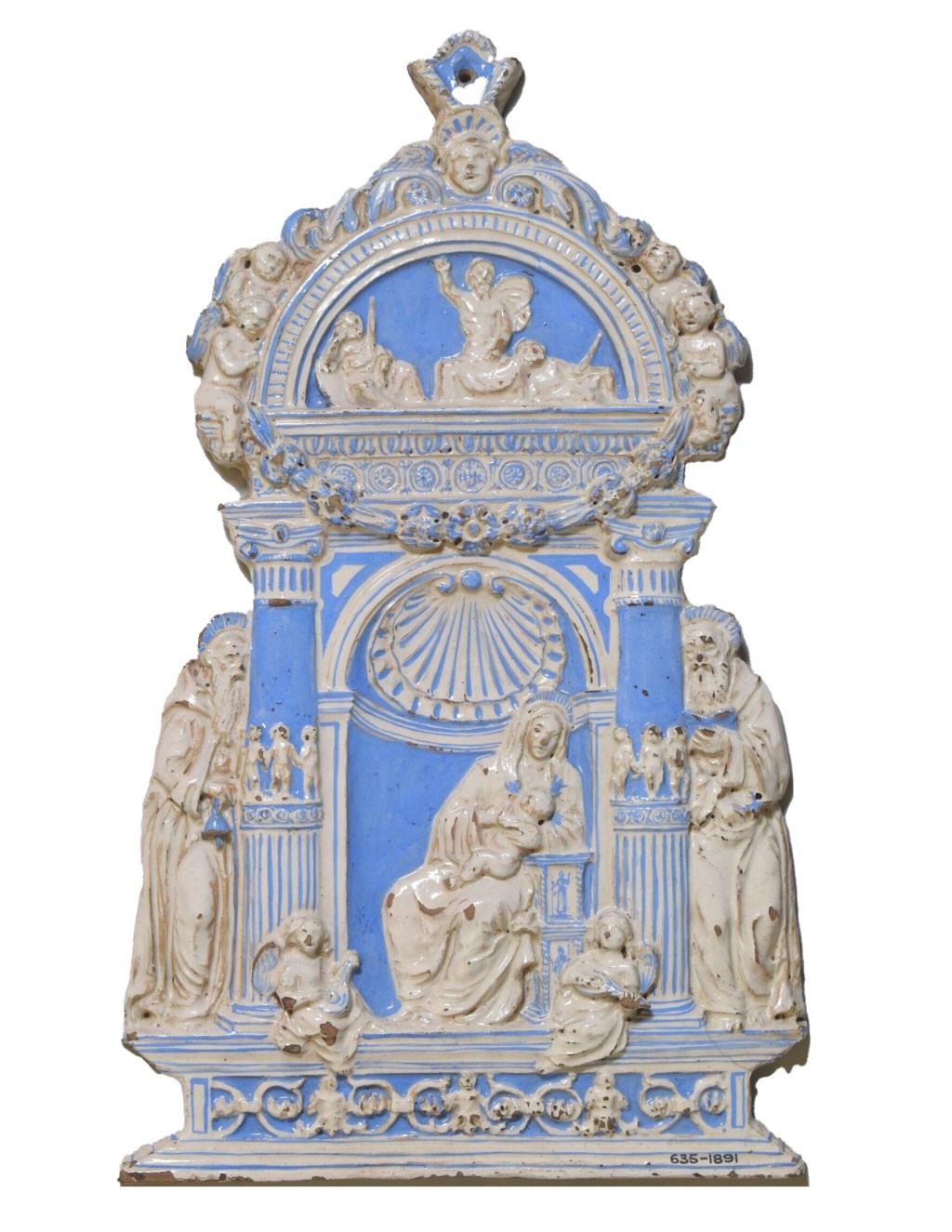
Late 19th Century Maiolica Plaques after Renaissance Pax Prototypes
A brief study of paxes and plaquettes and their reproduction in maiolica relief.
-

Reapproaching the Coriolanus Master
An exploration of the stylistic nuances, thematic content, potential influences, and historical context of the artist dubbed Master of Coriolanus, herein judged to be a workshop assistant of Moderno while active in Venice during the first decade of the 16th century.
-
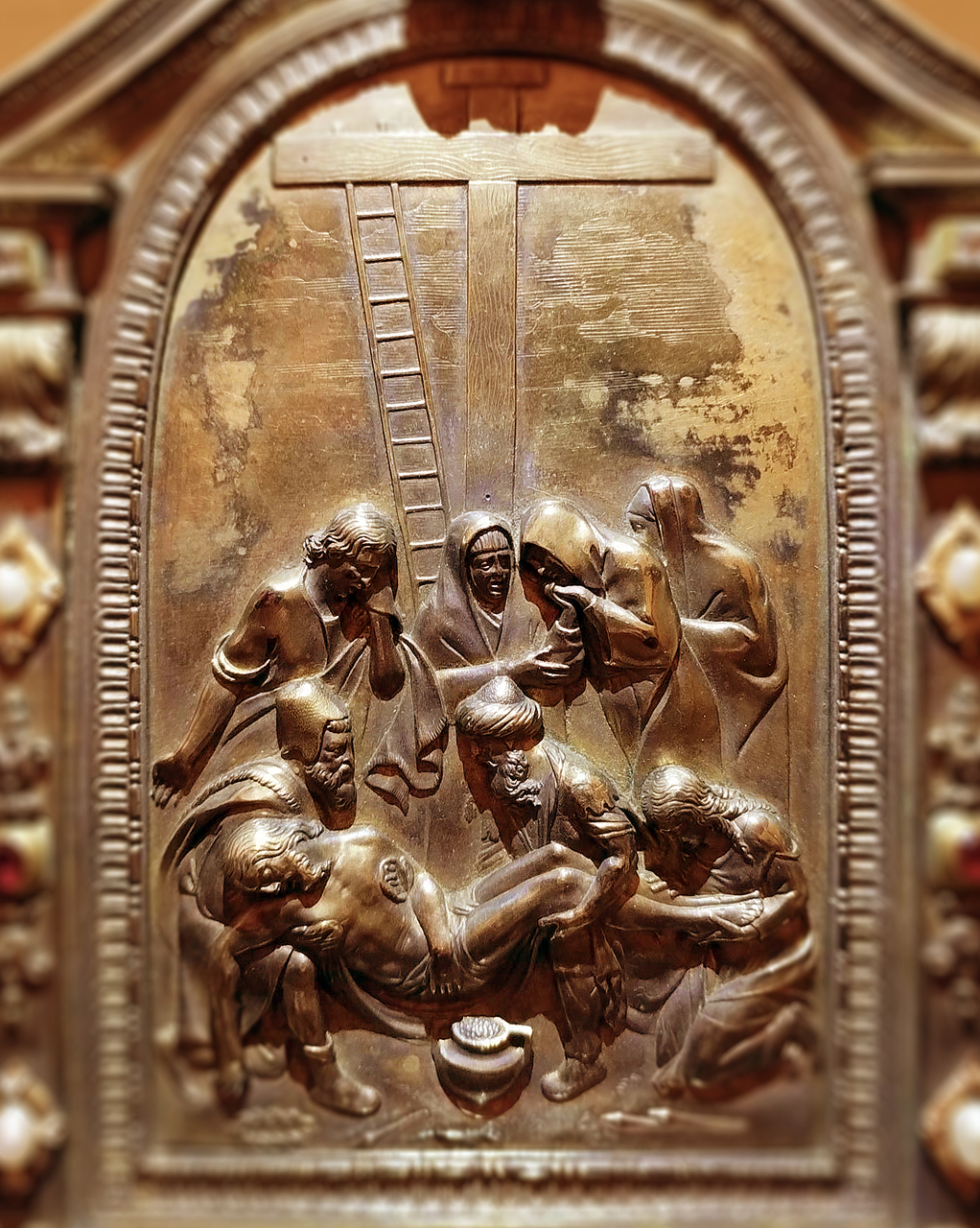
Giovan Battista Scultori as a Silversmith and the Paternity and Seriality of his Lamentation over the dead Christ
A detailed analysis of the various examples of Giovanni Battista Scultori’s Lamentation relief and his work as a silversmith and sculptor.
-

The Battle of Cannae medal – A German-Italian crossover?
A medal depicting the Battle of Cannae could be the work of a German journeyman, possibly Hermann Vischer the Younger of Nuremberg, appropriating a composition by Moderno.
-
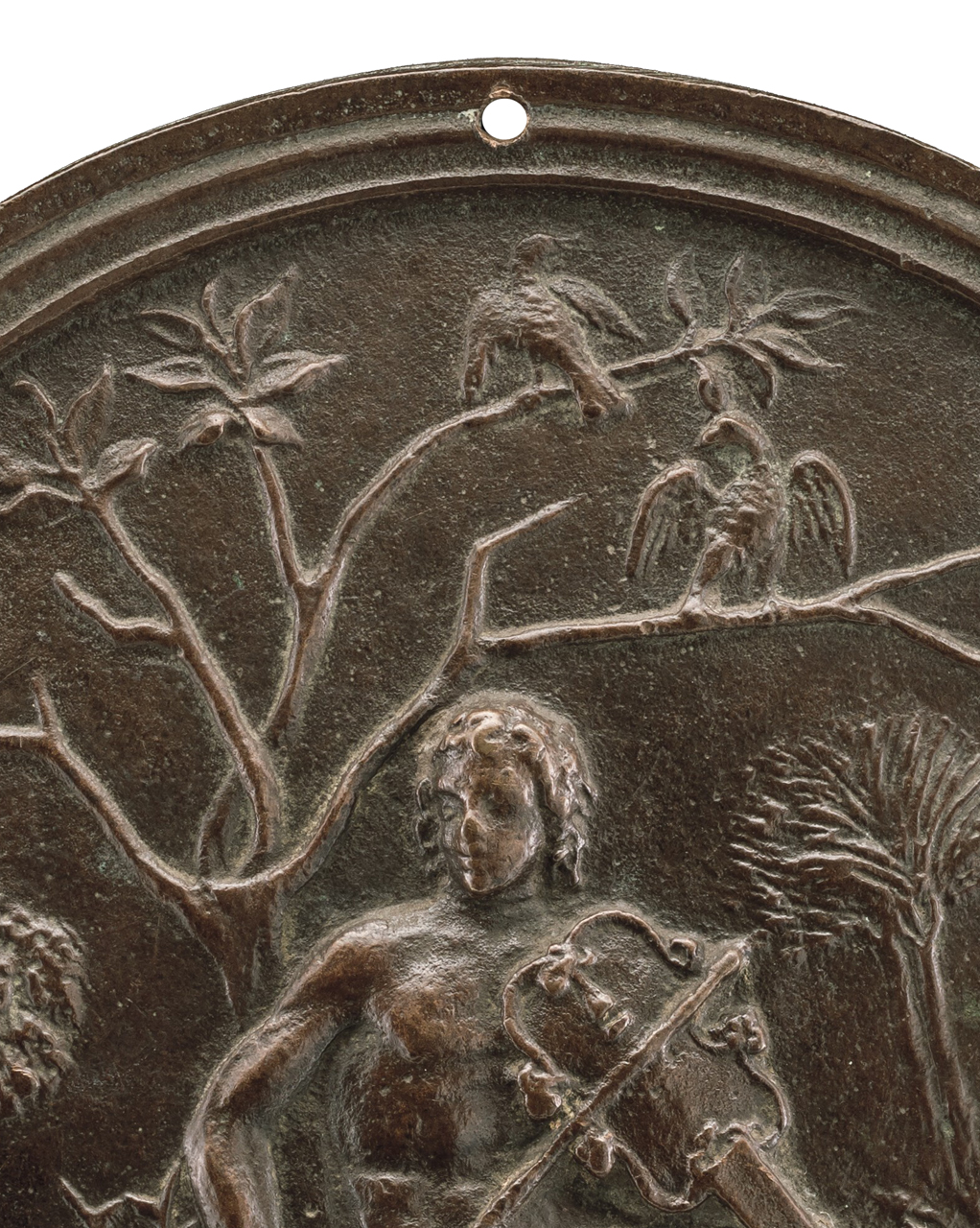
Proposing Matteo del Nassaro as the Master of the Orpheus and Arion Roundels
Speculation concerning the possibility that musician, gem-engraver and goldsmith, Matteo del Nassaro, could be responsible for a series of bronze roundels depicting Orpheus and Arion while active in the studio of Galeazzo Mondella, called Moderno.
-

A Context for the Corn-Ear Master’s Virgin and Child and Imago Pietatis
Observations concerning two plaquettes attributed to the Corn-Ear Master reinforce Jeremy Warren’s idea that they were used as book covers. Additional speculation is given to this artist’s presumed activity in Mantua and possibly also in Milan.
-

Moderno & Associated Makers – A partnership between Galeazzo Mondella’s son and nephews
Recently discovered documents indicate Moderno’s son and nephews established a business partnership shortly after Moderno’s death, perhaps responsible for the continued perpetuation of Moderno’s plaquettes throughout Lombardy.
-
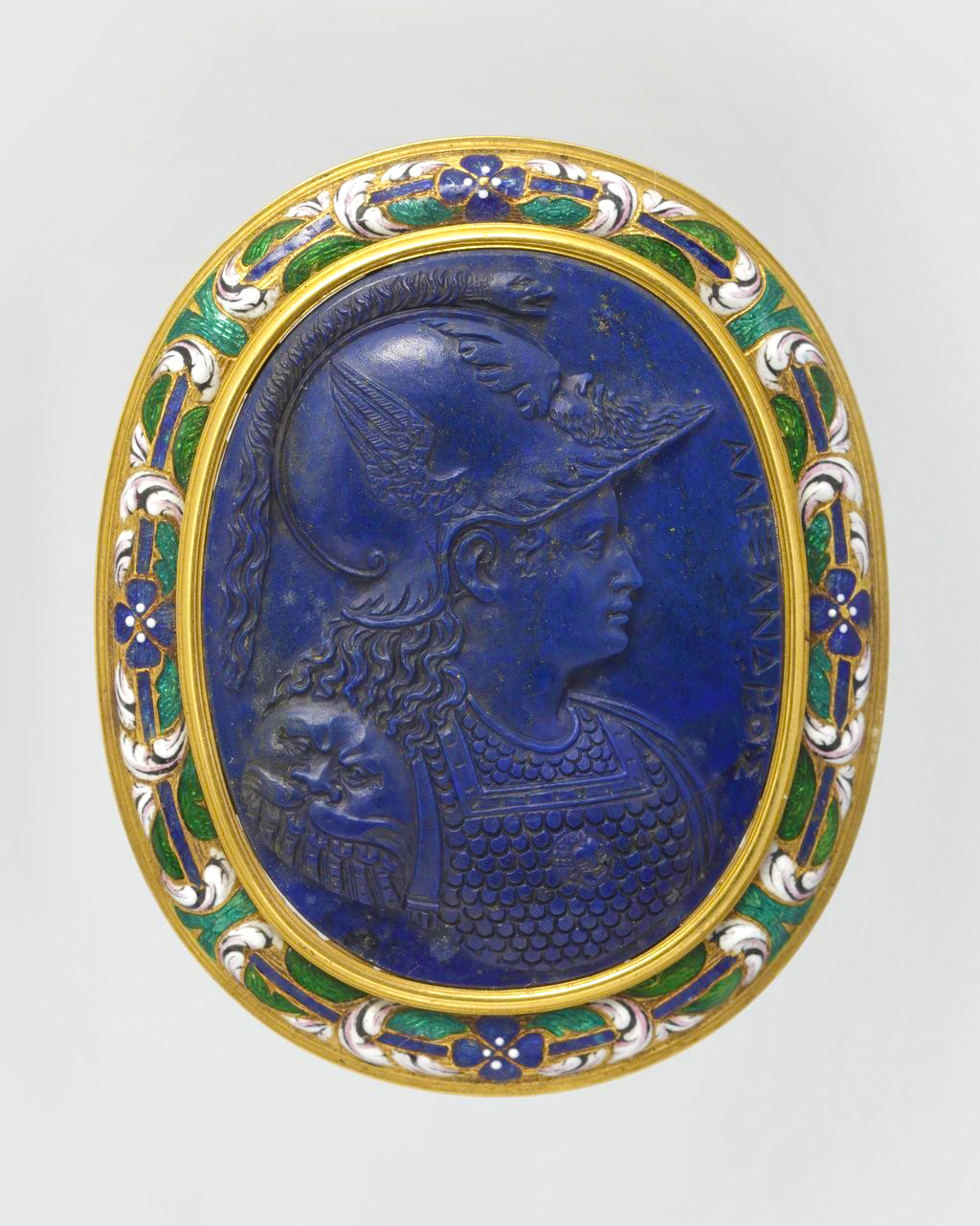
Toward an opus of Niccoló Avanzi, gem engraver of the late Quattrocento and early Cinquecento
An anonymous cameo in the Cabinet of Medals (Paris) might be a scarce survival of Niccoló Avanzi’s workmanship, praised briefly in Vasari’s 1568 edition of the ‘Lives of the Artists,’ and a plaquette depicting the Adoration might theoretically preserve one of his lost works.
-
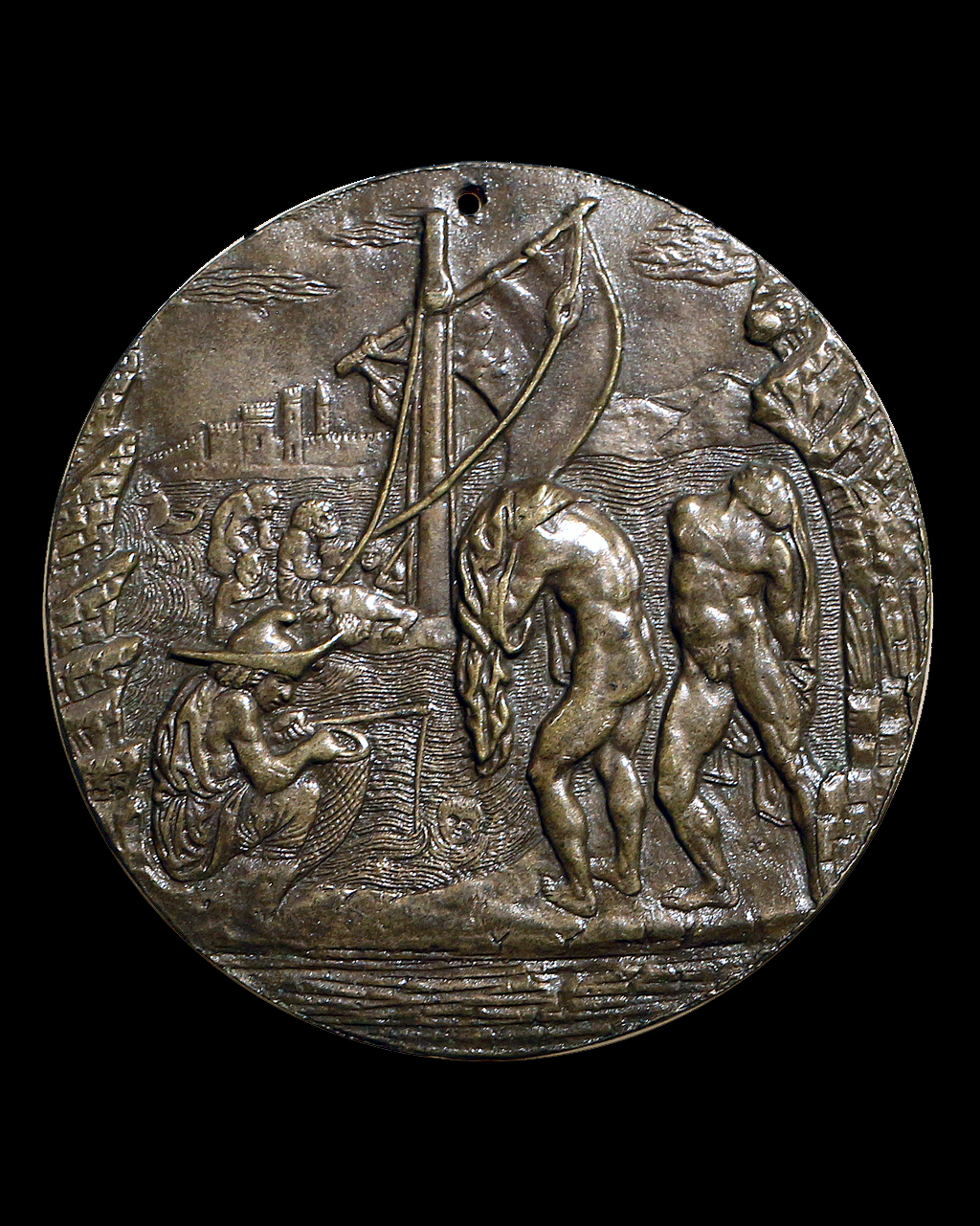
Identifying a relief scene by Cristoforo Foppa, called Caradosso
The subject of a confounding plaquette attributed to Caradosso is suggested as representing a scene of Pearl Fishing.
-
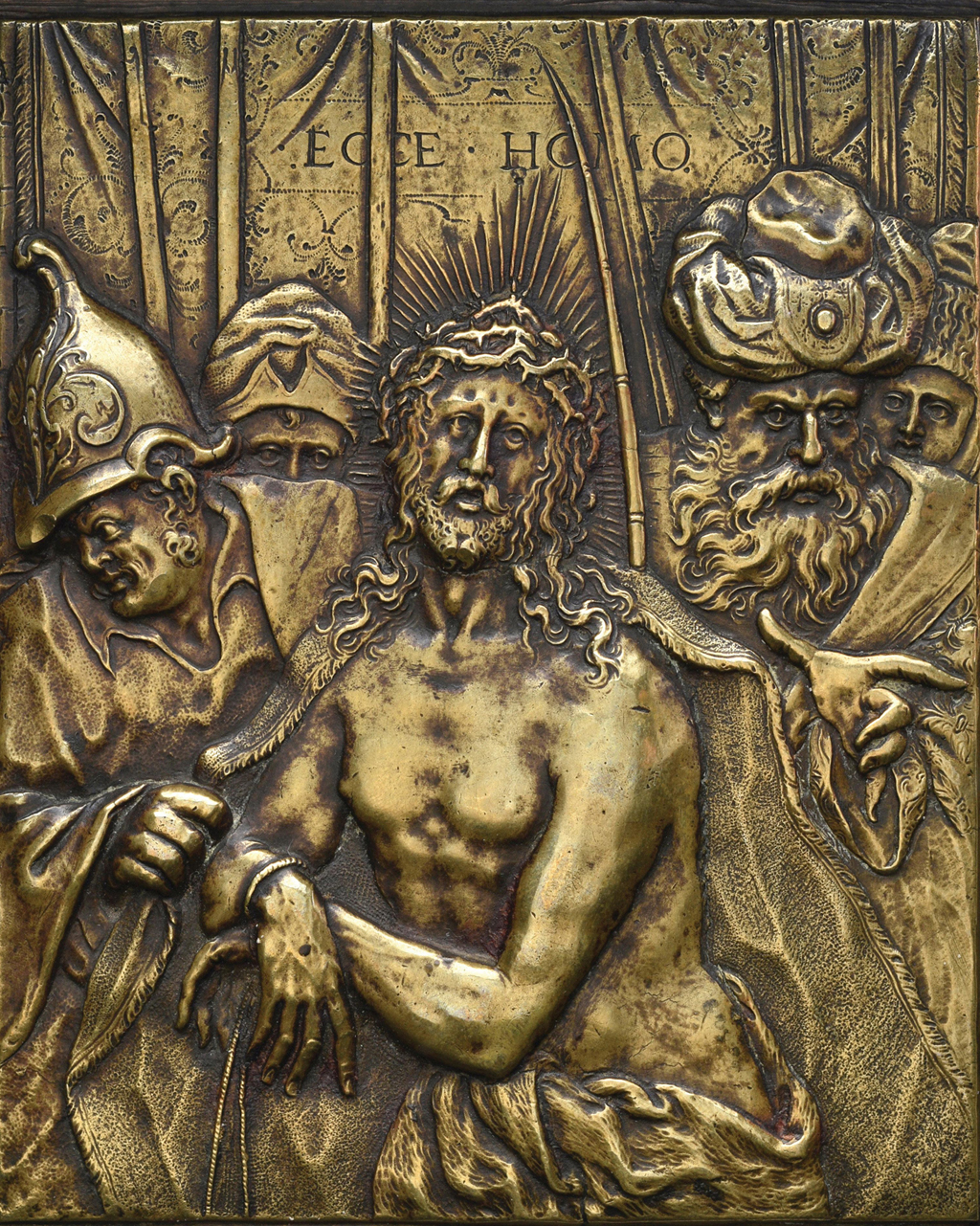
Commentary on the sale of Alain Edrei’s Collection
The sale of Alain Edrei’s collection of Renaissance plaquettes and paxes is one of the few major sales of its type during the 21st century thus far.
-

Donatello, the birth of Renaissance Plaquettes and their representation in the Berlin sculpture collection
Wilhelm von Bode’s spirit of acquisition in turn-of-the-century Berlin would result in forming a significant and comprehensive collection of Donatelloesque plaquettes, here explored for their function and influence in the genesis of plaquettes as a genre of sculpture.
-

Metalwork in the ambit of Raphael
Toward an opus of Antonio di Paolo Fabbri, called Antonio da San Marino and a Lamentation by Cesarino di Francesco del Roscetto, called Cesarino da Perugia.
-

The Use and Invention of Plaquettes by the De Levis bronze Foundry of Verona
A discussion and analysis concerning the use and reproduction of plaquettes by the De Levis family of bronze founders provides insight into the inner machinations of a provincial bronze foundry of the late Renaissance. This essay discusses how plaquettes invented by others were used as decorative embellishments for mortars and bells by the De Levis…
-
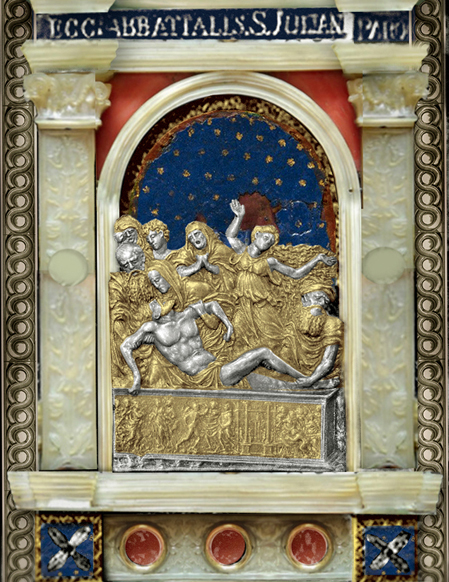
Galeazzo Mondella’s original Entombment
Discussion of an unpublished pax of the Entombment by Galeazzo Mondella, called Moderno, at the Parish Church of San Giuliano in Bologna and a reconsideration of Milanese influences in Moderno’s career.
-
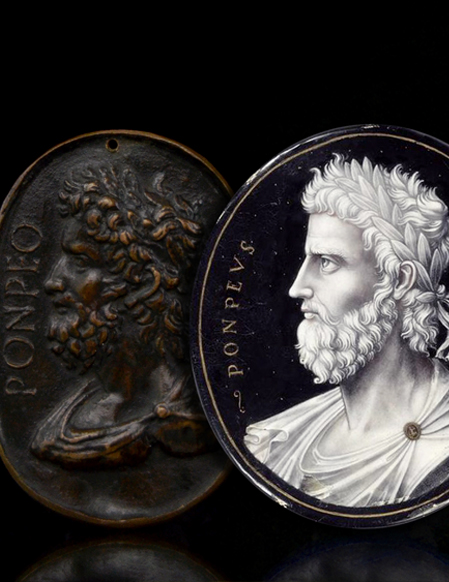
Glyptics, Italian Plaquettes in France and their Reproduction in Enamel
The emergence of Italian plaquettes in France and their use by the enamelers of Limoges, especially Jean Penicaud II and the Master KIP.
-
Subscribe
Subscribed
Already have a WordPress.com account? Log in now.
 Renaissance Bronze