-

A Medici Bust at the Walters?
A bronze bust at the Walters Art Museum, thought to be an all’antica representation of an emperor, may instead be the portrait of a Medici family member.
-

In the Shadow of Permoser
Ideas concerning several small sculptures, possibly by unsung, yet impressively talented German sculptors operating in the ambit of Balthasar Permoser.
-
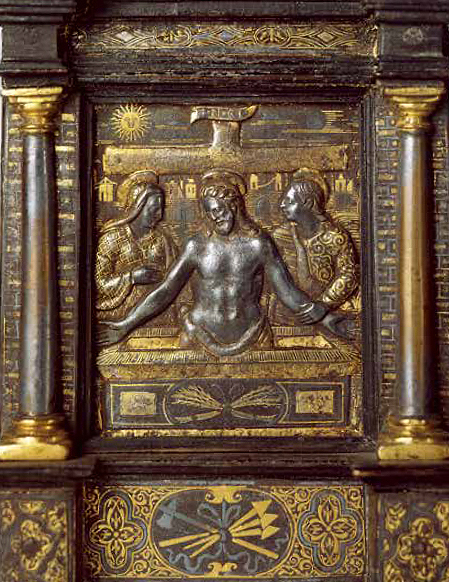
The Paxes of Giovanni Battista Panzeri and his workshop
A survey on rare damascened steel or iron plaquettes for use on paxes. This article is part of a larger future project that will study the art, architecture, function and history of paxes.
-
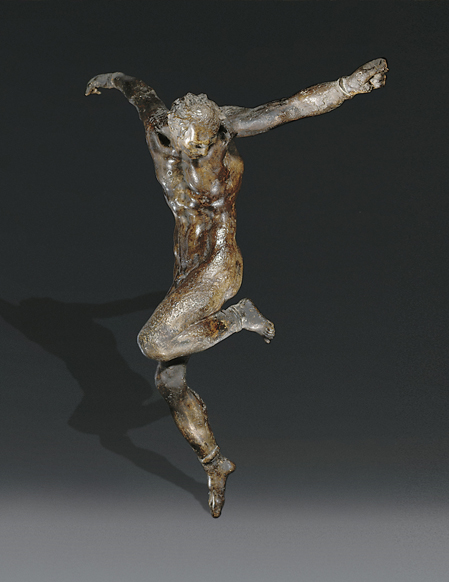
The Thief of Michelangelo – Models Preserved in Bronze and Terracotta
New observations and ideas concerning the use and proliferation of Michelangelo’s models of crucified “thieves.”
-

Michele di Giovanni da Fiesole and the origins of the Florentine plaquette
Two of the earliest Renaissance plaquettes, long associated with Donatello and his school, are probably the work of Michele di Giovanni da Fiesole.
-
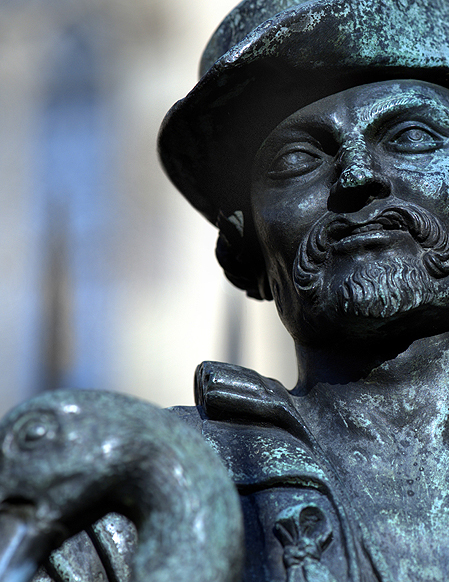
The identity of Nuremberg’s Gänsemännchenbrunnen or Geeseman Fountain
Identifying the person and purpose for one of Germany’s most famous Renaissance bronzes: the Gänsemännchen brunnen or Geeseman Fountain.
-

Pietro Torrigiani – A St. Francis of Paola and ideas concerning his years before Spain
Vasari notes that Pietro Torrigiano carved sculptures in wood but no such works have been identified. A sculpture of St. Francis of Paola may possibly be the first and its subject may also suggest Torrigiano was active in Sicily before leaving Italy for Portugal and/or Spain.
-

The Earliest German Medal? Peter Vischer der Ältere’s Memorial Medaille to his first wife Margaretha
A unique and modest medal depicting the bust of a German woman, dated 1490, could be the earliest medal made in Germany, depicting the first wife of the famed Nuremberg brass-worker, Peter Vischer the Elder.
-

An Adoration and Lamentation of Iberian-Italian origin
New ideas concerning two popular bronze reliefs of the 16th century, often incorrectly cataloged as the work of Gian Federico Bonzagna, instead suggested as Milanese works inspired by Iberian-Italian modalities.
-

A possible Corpus, Saint and Siren by Sebastiano Torrigiani
Observations concerning three bronze sculptures that could be the workmanship of Bastiano Torrigiani.
-

Lorenzo’s son, from Life: a possible model, from life, of Piero di Lorenzo de’ Medici
The discovery of a possible workshop model preserving a cast life-mask of Piero the Unfortunate, son of Lorenzo de’ Medici and a hypothesis concerning the terracotta Bust of a Youth at the Museo Nazionale del Bargello.
-
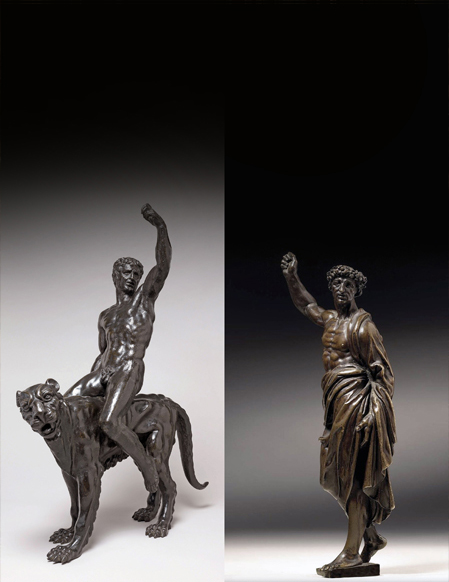
A proposal that the Rothschild bronzes, attributed to Michelangelo, are instead the work of Francesco da Sangallo
A visual comparison and historical survey is made between the work of Francesco da Sangallo and a bronze group of nude men riding beasts, presently attributed to Michelangelo.
-

A Devotional Diorama in Wax, Silk, Paint and Glass, attributable to Caterina de Julianis
A previously unattributed work from a collection of waxes can now be associated as a work attributable to the Neapolitan wax-modeler, Caterina de Julianis, the protege of Gaetano Giulio Zumbo.
-
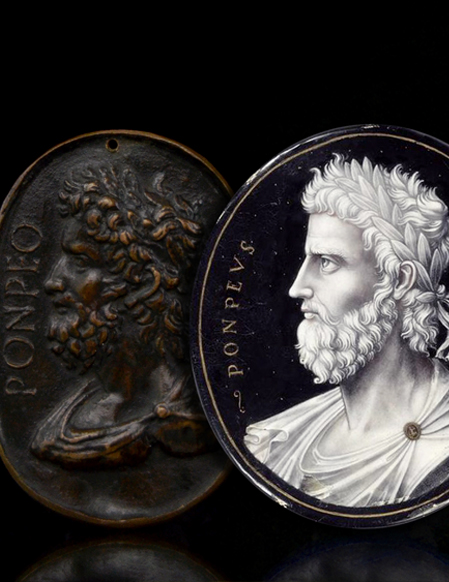
Glyptics, Italian Plaquettes in France and their Reproduction in Enamel
The emergence of Italian plaquettes in France and their use by the enamelers of Limoges, especially Jean Penicaud II and the Master KIP.
-

The Paxes and Reliefs of Antonio Gentili da Faenza
An examination of Antonio Gentili’s reworking of Guglielmo della Porta’s models and proposed attributions for several reliefs and paxes.
-

An overlooked ‘Christ the Redeemer’ in the ambit of Bartolomeo Bellano
Exploring an undiscussed and unique plaquette in the Louvre collections…its identity, function and possible maker.
-
Subscribe
Subscribed
Already have a WordPress.com account? Log in now.
 Renaissance Bronze